Looking back to look forward Revisiting Bangka’s Reefs
Understanding how coral reefs change over time requires more than short-term observations. It requires patience, consistency, and the ability to return to the same places, asking the same questions, years apart.
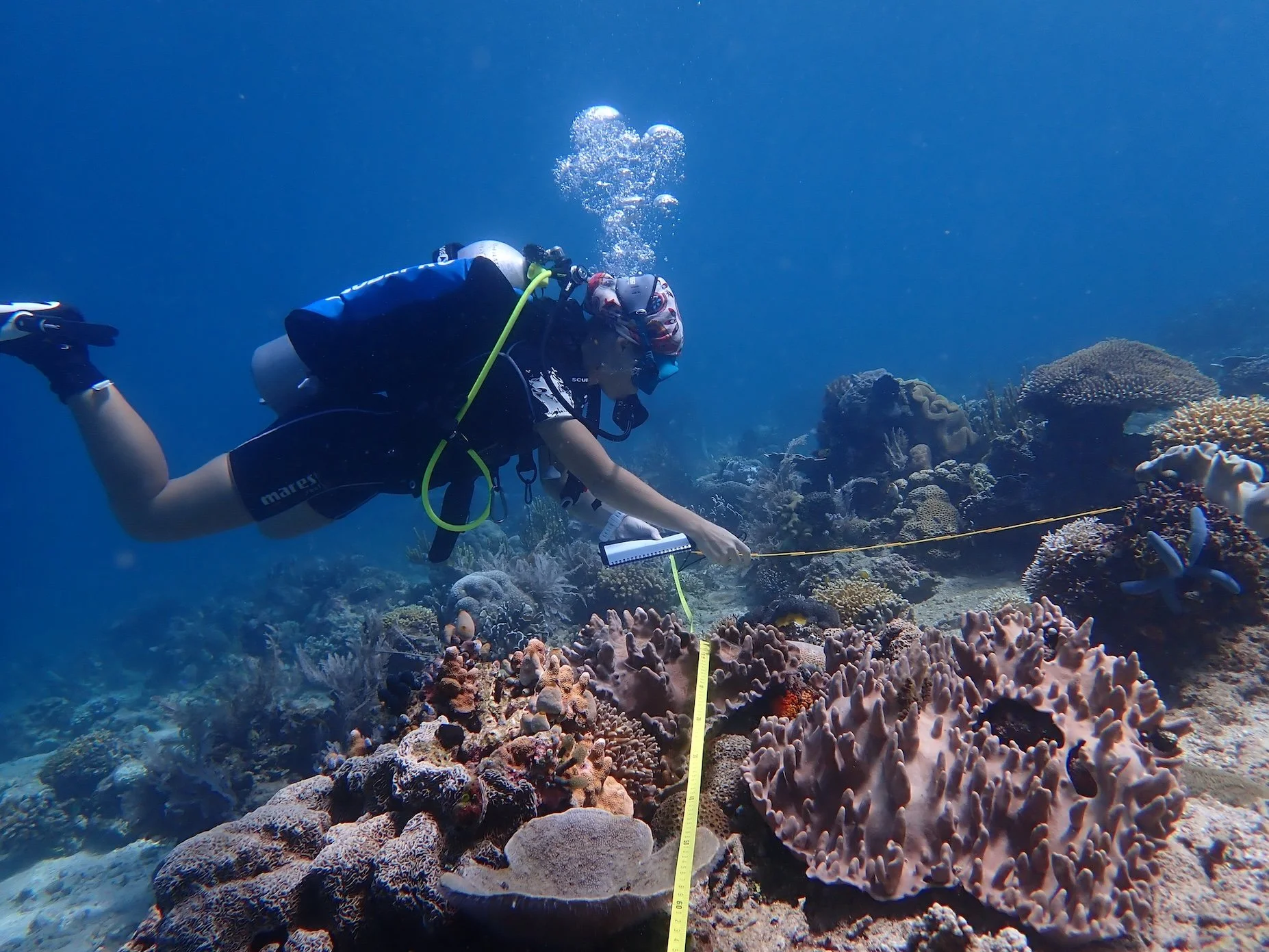
At Coral Eye Marine Outpost, a new research project does exactly that, by replicating a coral reef monitoring protocol first applied in Bangka Island in 2013.
Returning to a Proven Scientific Framework
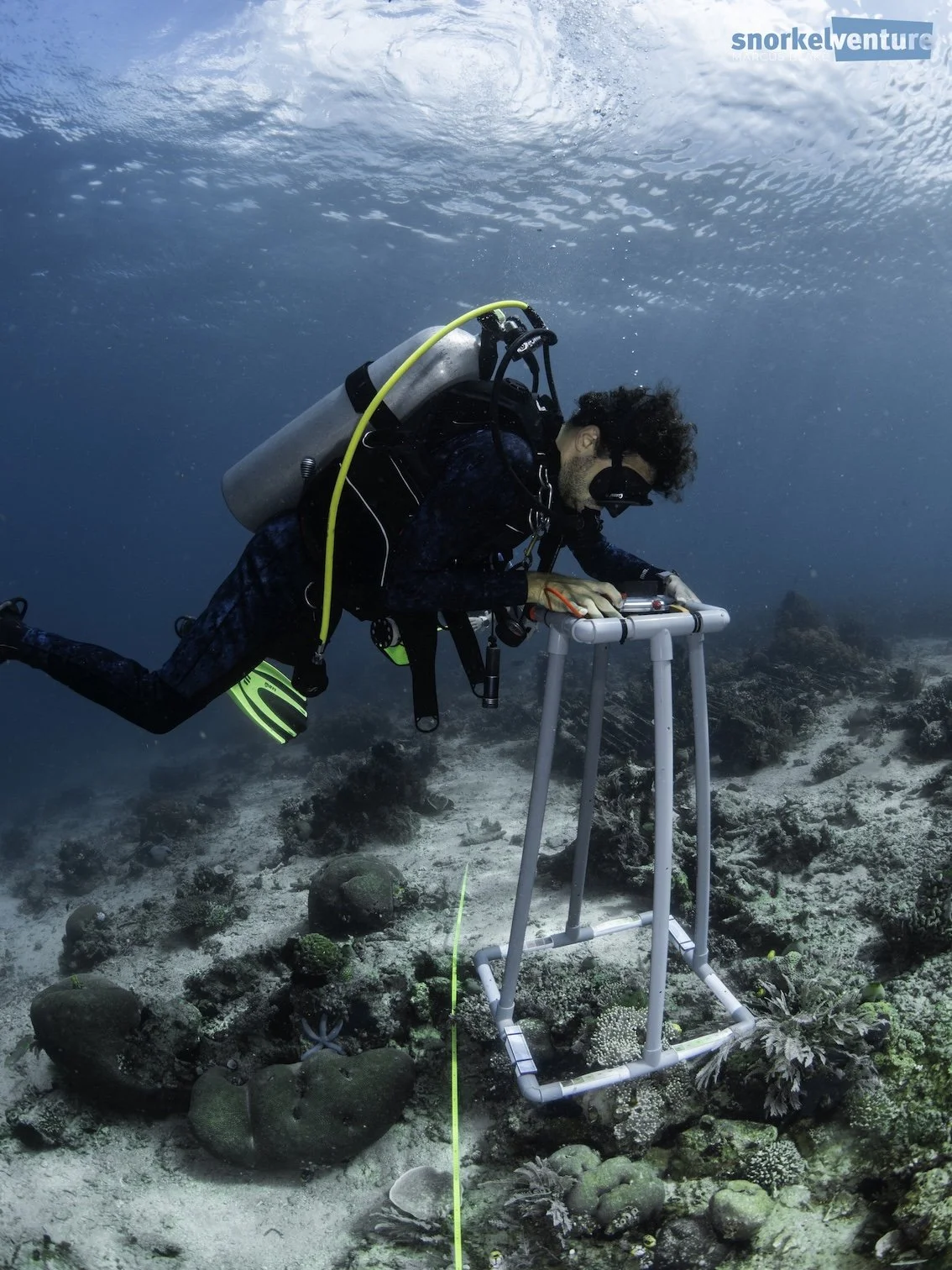
More than ten years ago, coral reefs around Bangka Island were assessed using a standardized monitoring protocol developed and applied by Professor Massimo Ponti.
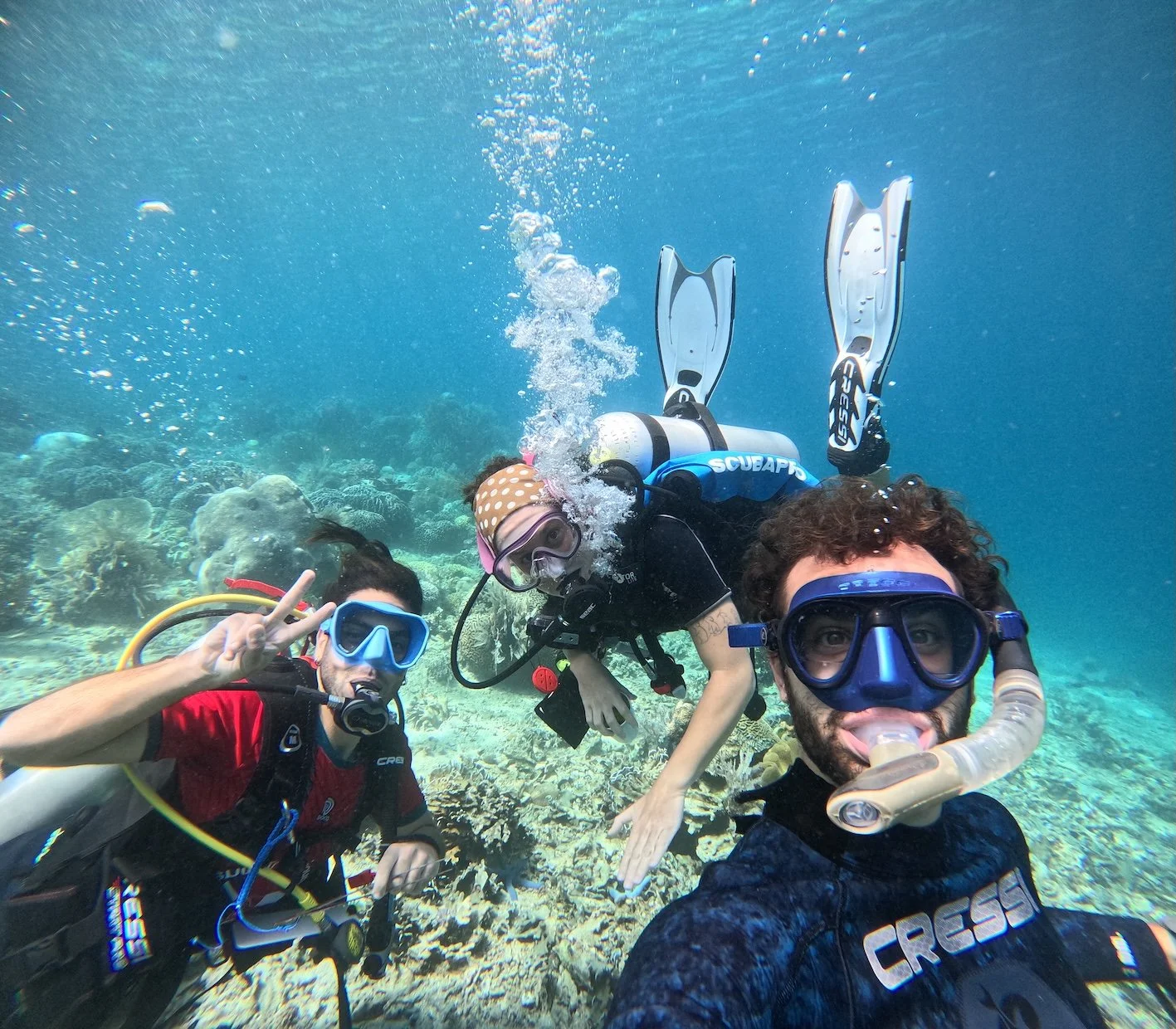
Today, a team of three Italian marine biologists is applying the same protocol, on the same reefs, with the goal of making a direct and meaningful comparison between past and present reef health. For the researchers, this is their first time working at Coral Eye and Bangka Island, but the scientific framework they use is deliberately rooted in the past.
From Baseline Data to Long-Term Insight
Many coral reef studies provide detailed but isolated snapshots. What makes this project different is its temporal dimension.
Because the protocol mirrors the 2013 assessment, differences observed today can be confidently interpreted as real ecological change, rather than methodological variation.
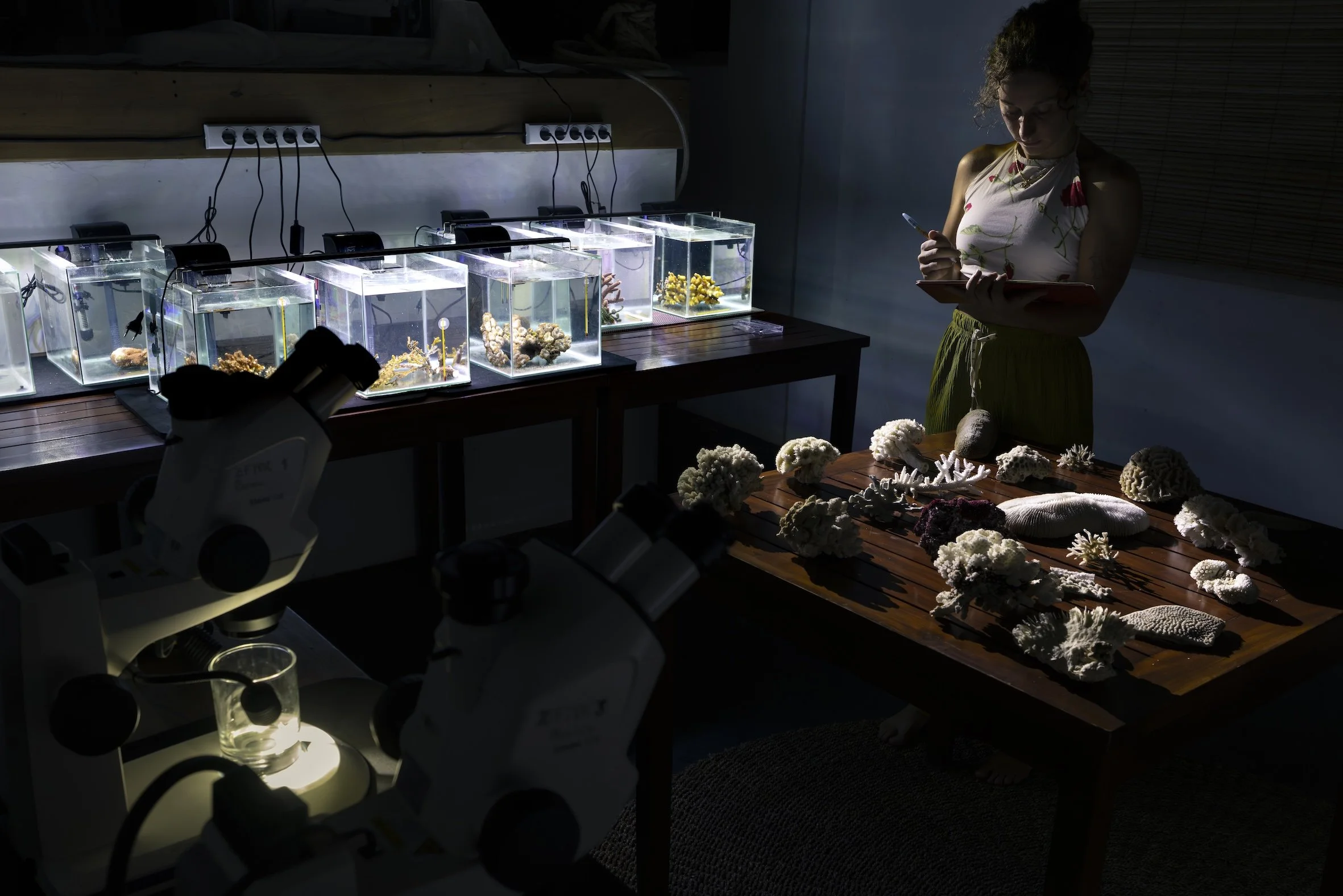
Rosita Tonolini
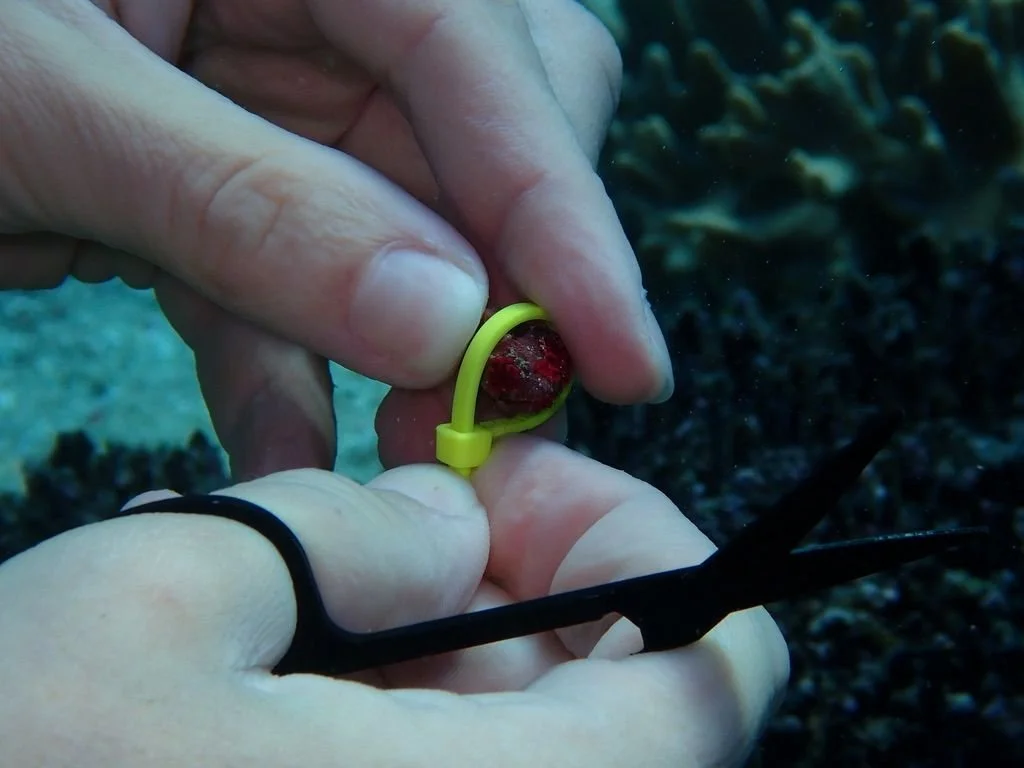
Rosita Tonolini is a marine biologist specializing in coral reef ecosystems, with a particular focus on coral diseases and corallivorous species. Her background includes underwater ecological monitoring and aquarium management, combining field-based observation with hands-on experience in controlled marine systems. Her work contributes to understanding reef health and the biological interactions that influence coral resilience.
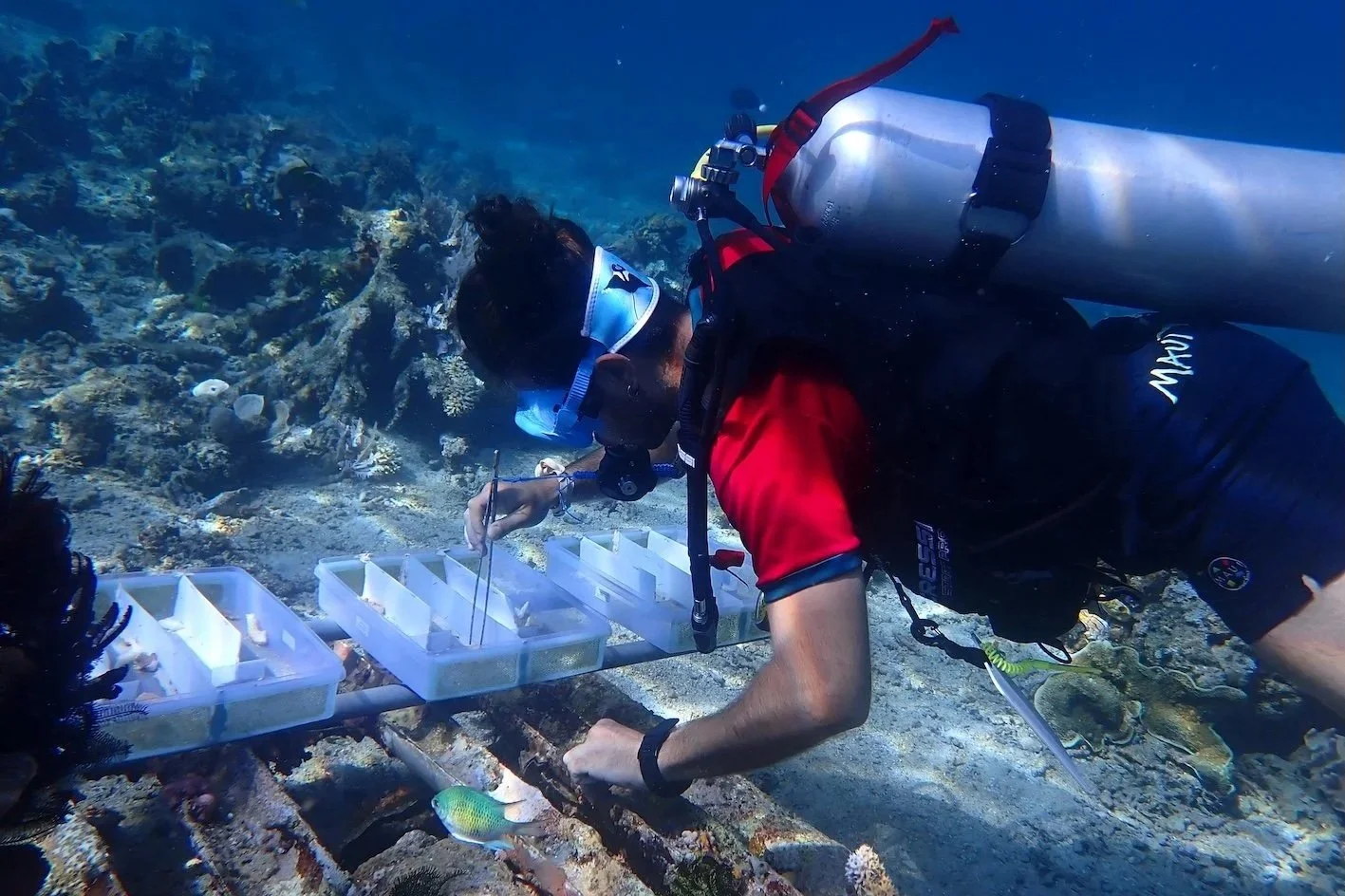
Girolamo Papasidero
Girolamo Papasidero is a marine biologist specializing in marine reproductive biology, sediment analysis, microplastics research, histological analyses, and necropsies. His research interests include eels and elasmobranchs, alongside extensive experience in aquarium management, live-animal husbandry, and aquaculture practices. His work integrates ecological research with applied marine biology.
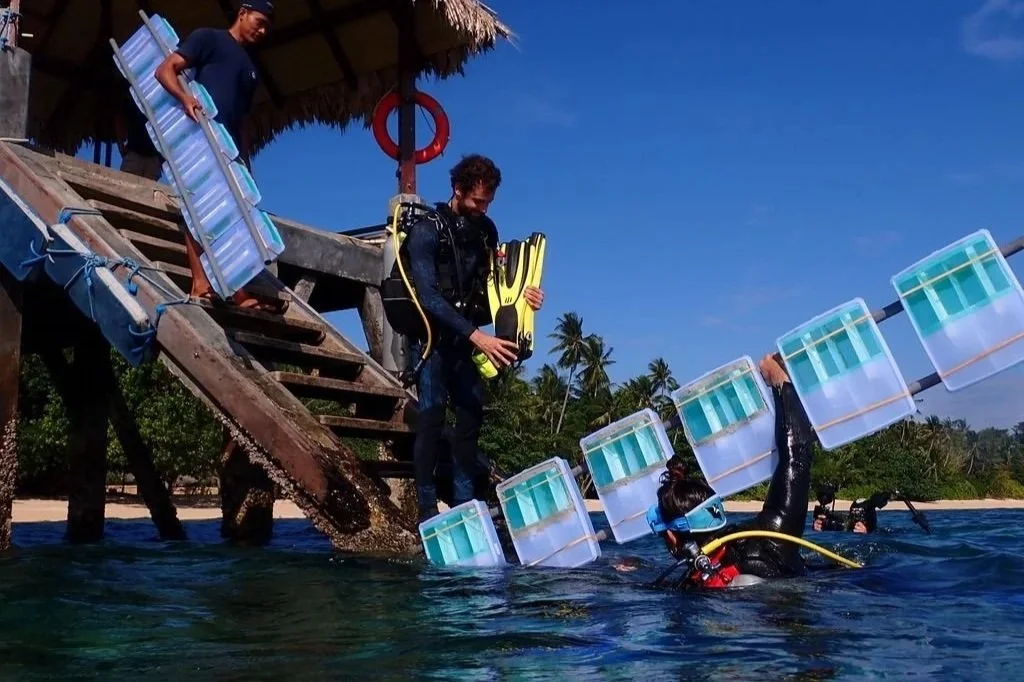
Filippo Fistarol
Filippo Fistarol is a marine biologist with expertise in marine reproductive biology, sea turtle ecology, histological analyses, and microplastics research. He has strong experience in underwater ecological monitoring and photogrammetry, and is actively involved in science communication. His interdisciplinary approach bridges field research, laboratory analysis, and public engagement.
Why Long-Term Data Matter
Over the past decade, Bangka’s reefs, like many across the Coral Triangle, have been exposed to multiple pressures: warming seas, coral bleaching events, coastal development, fishing pressure, and marine debris.
This research aims to understand not just whether reefs have changed, but how they have changed.
Which reef zones show resilience? Which areas display clear sing of decline? Where conservation and restoration efforts could be most effective?
The answers to these questions will help contextualize present-day reef conditions within a longer ecological narrative.