Soft Corals and Reef Fish: University of Plymouth Research Returns to Coral Eye
This August, Coral Eye Marine Outpost welcomes back Molly, a PhD researcher from the University of Plymouth (UK), who is returning to Bangka Island to continue her research on one of coral reefs' most overlooked inhabitants: soft corals.
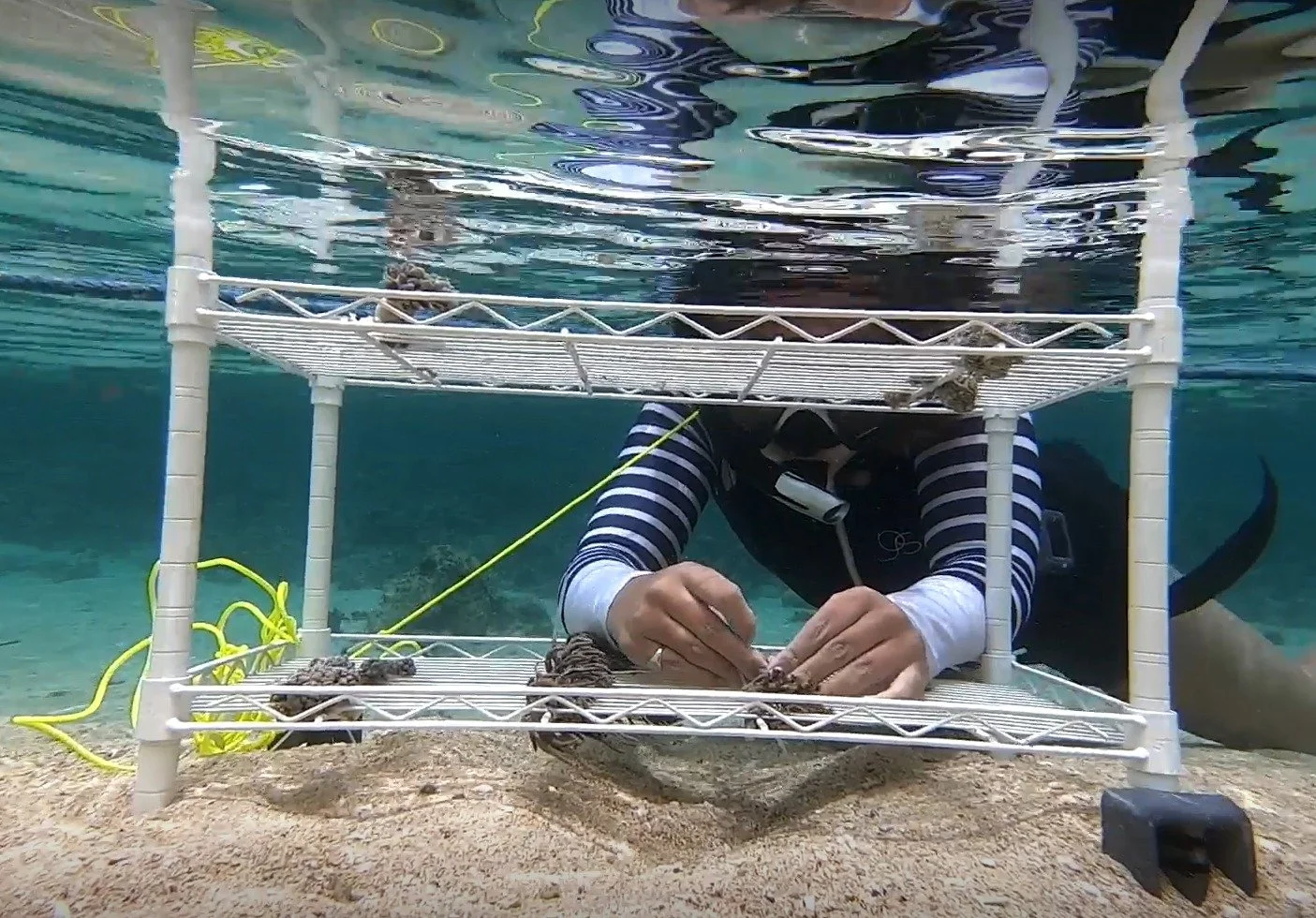
Following a successful field season in 2024, Molly will spend two months at Coral Eye investigating how soft coral-dominated reefs influence the fish communities that depend on them.
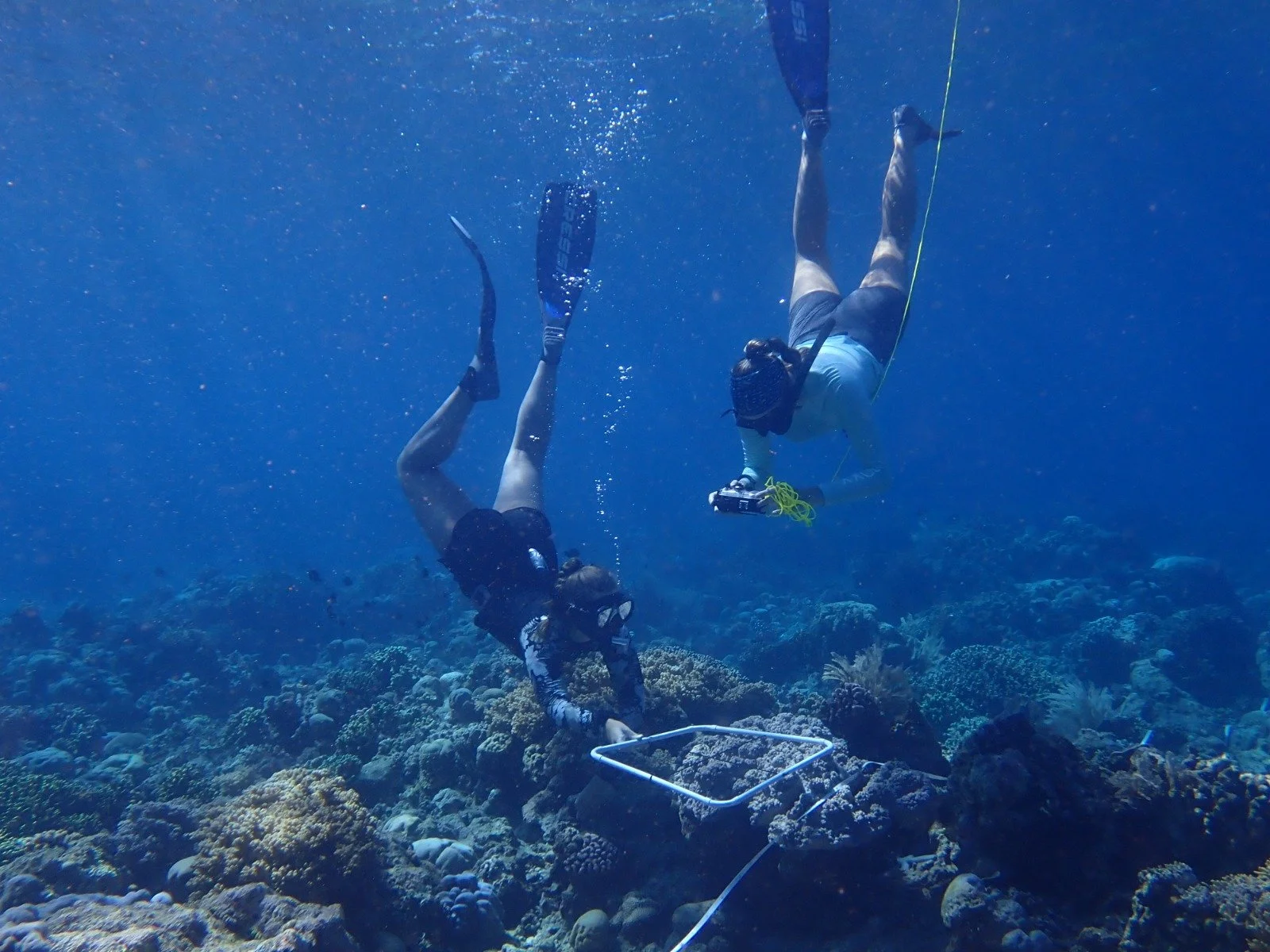
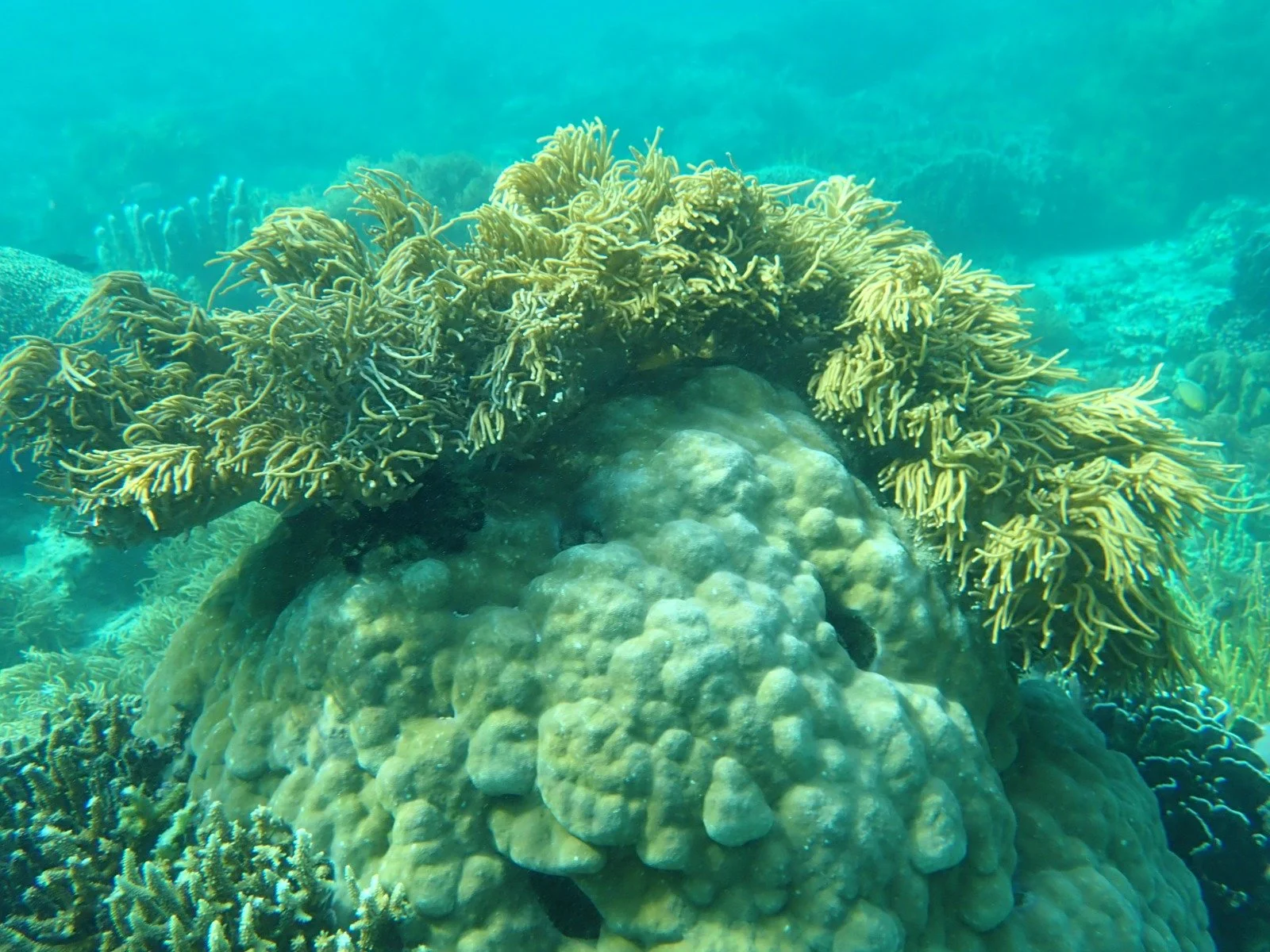
During her previous stay, Molly surveyed reefs around Bangka and Bunaken to understand how widespread soft coral-dominated habitats are in North Sulawesi. She also investigated how hard and soft corals interact on the reef, documenting which species prevail when they come into direct contact.
Much of her work took place on Coral Eye's House Reef, where she conducted underwater experiments to determine whether soft corals can damage neighbouring hard corals during these natural interactions.
The data collected form the foundation of her ongoing PhD research on how changing coral communities may affect reef ecosystems.
What Will She Study This Year?
This year's research shifts the focus from corals to fish.
Molly will investigate whether reefs dominated by soft corals provide suitable habitat for reef fish, helping scientists understand how changes in benthic communities may influence biodiversity and important ecosystem functions.
As coral reefs continue to change under the combined pressures of climate change and human activities, understanding the ecological role of soft corals is becoming increasingly important.
Science Meets Guests
Molly is expected to be based at Coral Eye from 29 August to 30 October 2026 (subject to minor logistical adjustments).
When she's not underwater collecting data, guests will have the opportunity to meet her during regular marine biology presentations and informal discussions about coral reef ecology. Sharing science with visitors is an important part of Coral Eye's Marine Outpost concept, giving guests the chance to discover the research happening directly beneath the resort's jetty.